네덜란드어 표현
네덜란드어 표현 “een tijdje”, 무슨 뜻인가요?
A Dutch vague duration — "a while" or "for a bit" — using the diminutive -tje on tijd (time).
뜻풀이
Een tijdje takes the noun tijd (time), adds the diminutive suffix -tje, and produces "a little time" — the Dutch equivalent of English "a while" or "for a bit." The diminutive does pragmatic work here: it makes the duration feel manageable, not too long, not too significant. Tijd alone can feel weighty; tijdje downgrades it.
Dutch speakers use een tijdje when they don't want to commit to a specific duration. Het duurde een tijdje (it took a while), we hebben een tijdje gepraat (we talked for a bit), zij is er een tijdje geweest (she's been here for a bit). The phrase preserves vagueness — Dutch speakers reach for it when precise duration isn't relevant or isn't known.
The diminutive -tje is one of Dutch's most-productive softeners. Almost any noun can take it, and the result is a softened, casualized version: kop (cup) → kopje, huis (house) → huisje, praat (chat) → praatje. Tijdje is one of the most-used examples of this pattern.
이럴 때 들려요
Vague past duration
"We hebben een tijdje gepraat."
Indeterminate future
"Het kan een tijdje duren."
Friend status update
"Ik heb haar een tijdje niet gezien."
Polite "for a while" framing
“een tijdje” 표현이 나오는 영상
네덜란드어 영상 21개에 이 표현이 나와요.
 1:16
1:16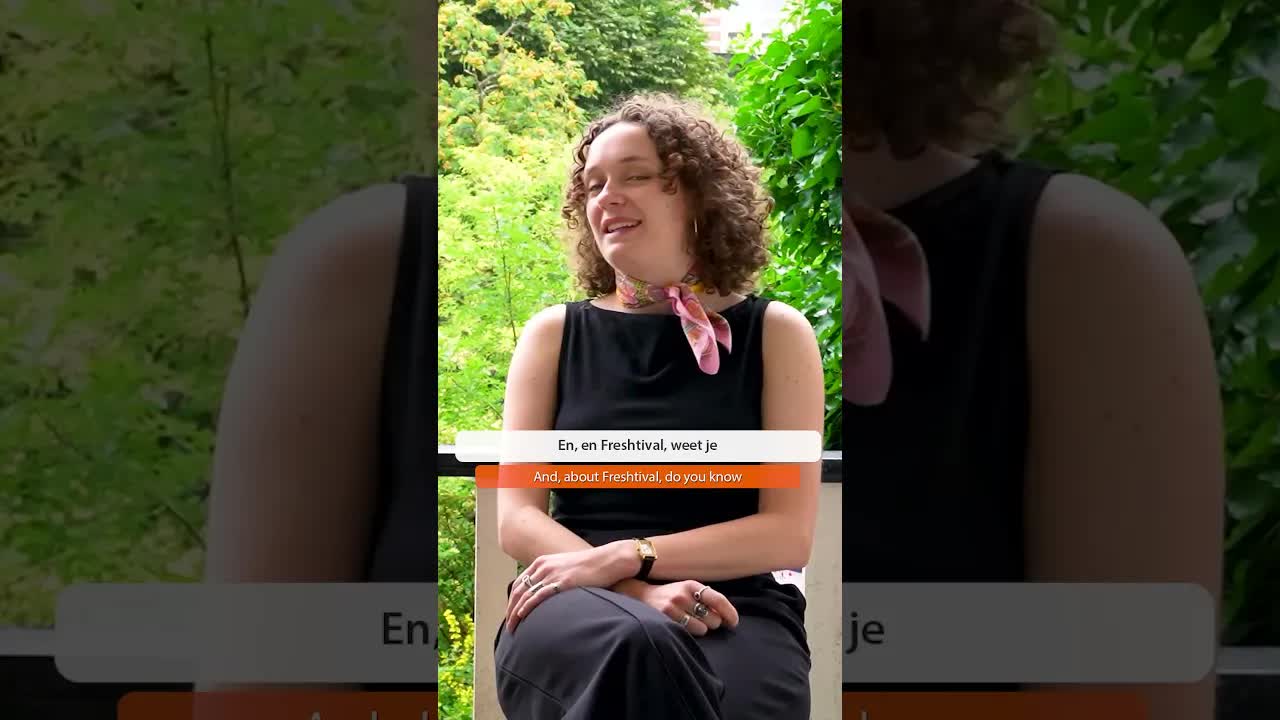 1:10
1:10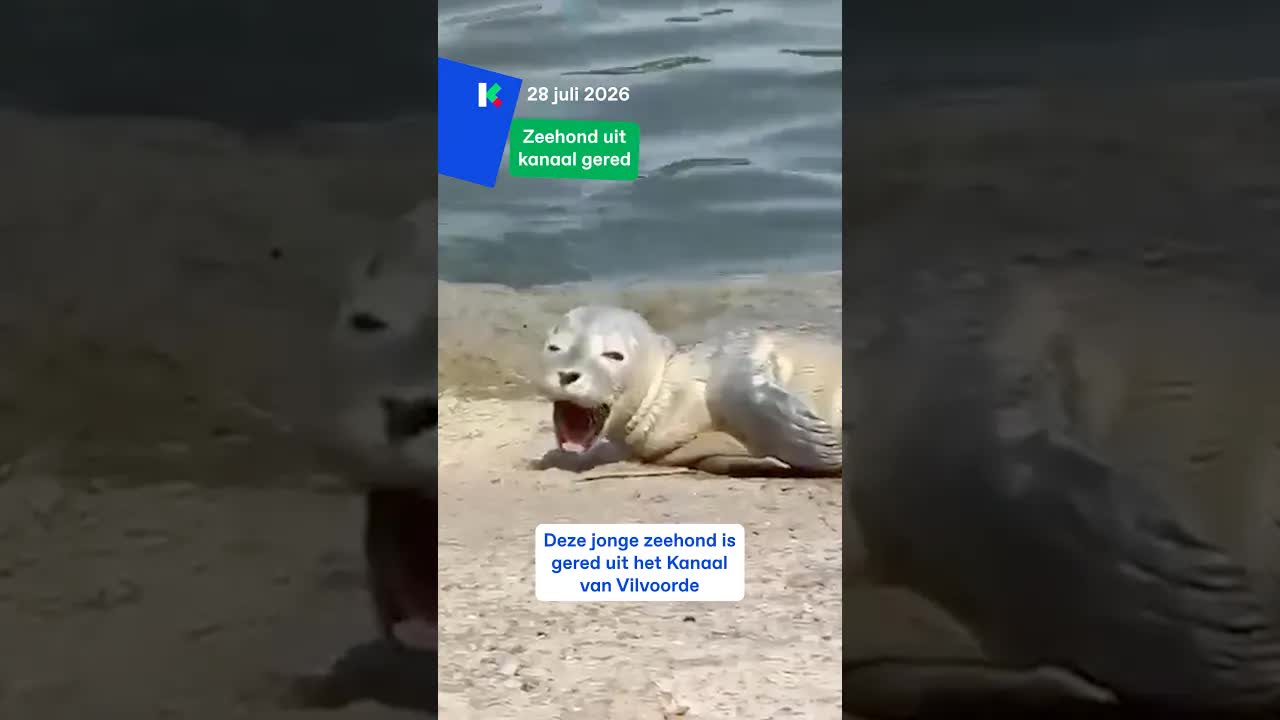 0:22
0:22 0:49
0:49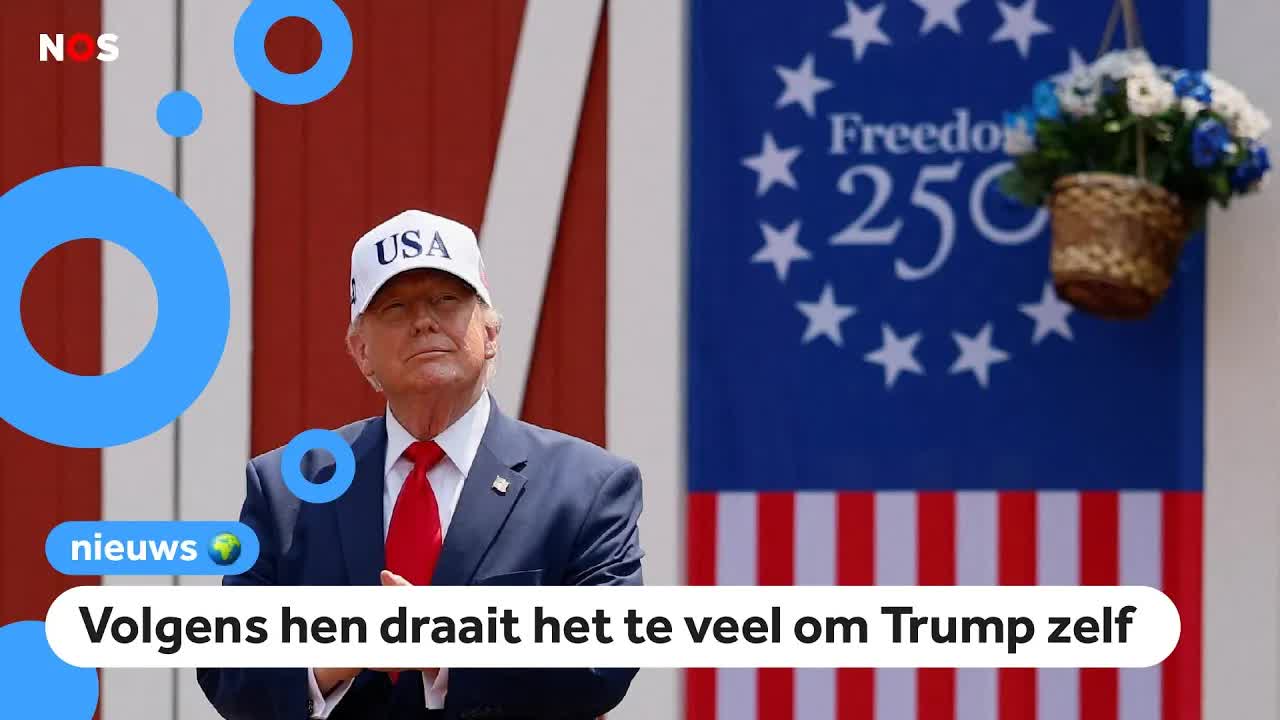 2:02
2:02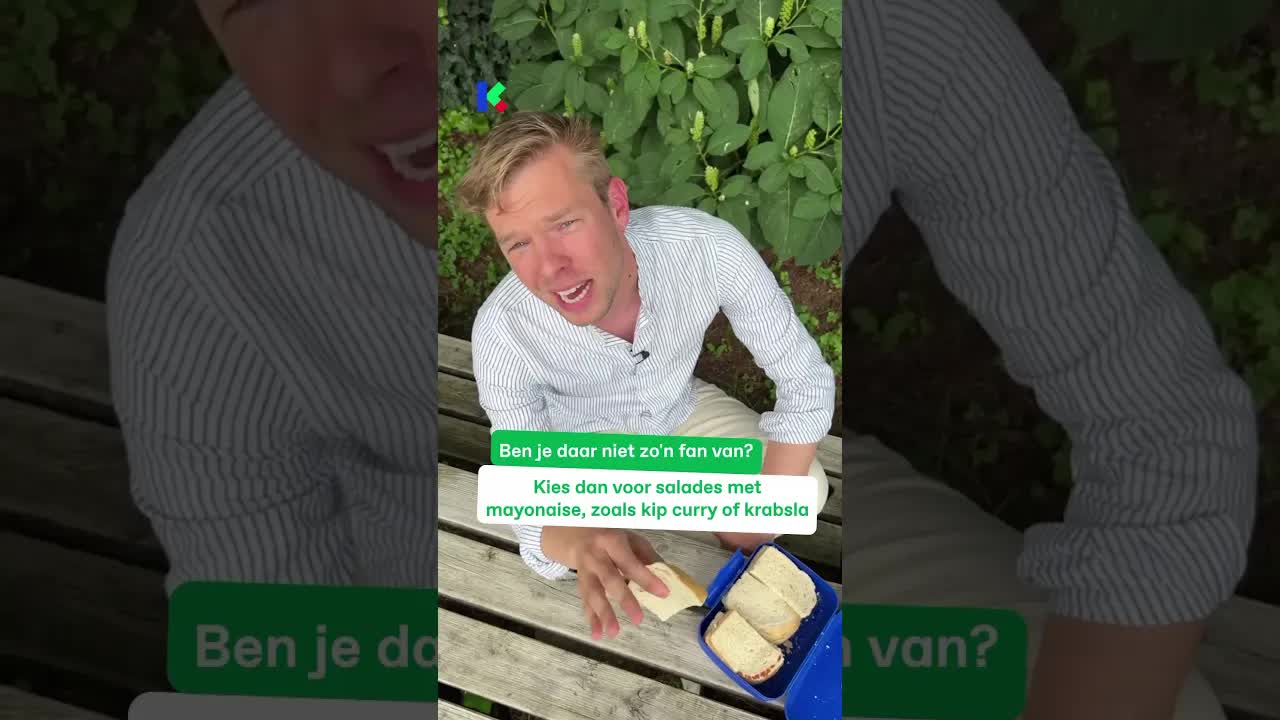 0:30
0:30 0:45
0:45 7:22
7:22 1:55
1:55 1:38
1:38 1:30
1:30 0:44
0:44 1:45
1:45 1:11
1:11 0:29
0:29 0:27
0:27 2:16
2:16 0:26
0:26 2:32
2:32 1:50
1:50 1:35
1:35